1. Safety and scope
The team explains what it can handle and which parts, like testing a site where drugs were made, need a different plan.
Wakefield, VA · Fairfax County
Business owners in Wakefield who find syringes in a restroom or storeroom can call (877) 812-4220. A cleanup team can remove sharps and residue and clean the room before it reopens.
If anyone is in danger, call 911 first. For a suicide crisis, call or text 988.
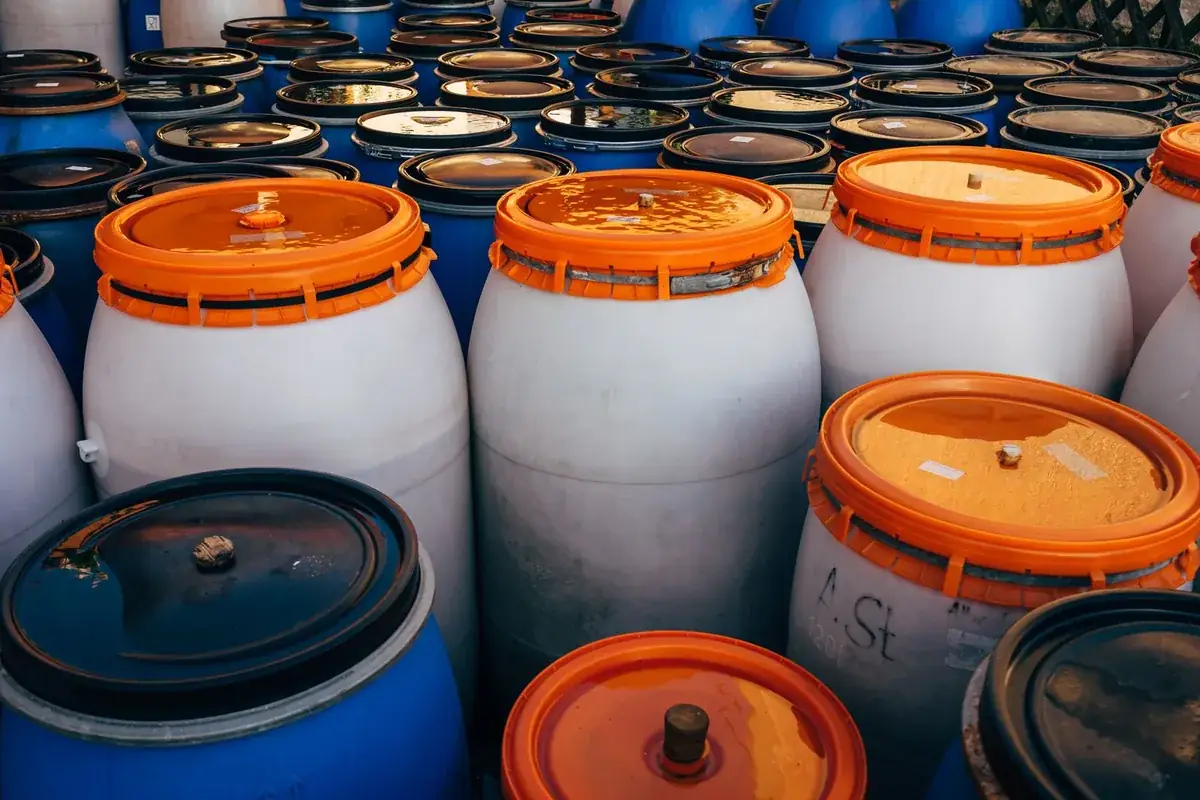
Drug paraphernalia cleanup is the safe removal of used syringes, pipes, bags, foil and other items left behind from drug use. Cleanup crews also clean and disinfect surfaces where residue may remain.
Families in Wakefield and Fairfax County who need help after a loved one's crisis can call Wakefield Biohazard Cleanup Help. Crews clear the room calmly and quietly and can arrive in an unmarked vehicle if privacy matters to you.
The vacancy rate in Fairfax County is only about 4%, so most paraphernalia calls come from occupied homes, rentals and businesses. After a needle stick or exposure to an unknown substance, get medical care. Inova Fairfax Hospital in Falls Church is the closest emergency room to Wakefield.
Drug Paraphernalia Cleanup in Wakefield usually includes:
The team explains what it can handle and which parts, like testing a site where drugs were made, need a different plan.
Needles and other sharps are lifted and sealed before anything else is moved.
Contaminated materials are bagged and carried out. Rebuilding or replacing them can wait until the space is clean.
Waste leaves the property, and the owner can ask for a summary of what was removed and cleaned.
The cost of drug paraphernalia cleanup in Wakefield, VA depends on the amount of material, how it is packed and how it is hauled.
Disposal of sharps and contaminated materials as regulated waste is part of the price, and it changes with the amount.
| Type of job | Typical range |
|---|
These ranges come from published cost guides () and are not a quote for Wakefield. Price drivers include amount of material, whether residue is present, surfaces affected, waste disposal. For a real number, call (877) 812-4220.
Some residues can harm people who touch them, and you cannot tell by looking which ones. That is why gloves are not a substitute for professional cleanup. If skin touches something unknown, wash with soap and water and call Poison Control.
Crews wear protective gear, remove sharps and loose items, and then clean hard surfaces with EPA-registered disinfectants. Porous materials such as carpet, padding or upholstery that took in residue may be removed. The team can explain what applies to your space.
Loose syringes should never go in household trash, because they can stab sanitation workers. Other items may carry residue. A cleanup team seals and disposes of everything the safe way.
Standard paraphernalia cleanup is about removal, cleaning and disinfection. Testing is a separate step, usually tied to a site where drugs were made. Ask the team and the local health department what testing, if any, applies to your property.
No. A good team asks only what it needs to plan the work, and you decide what to share. If privacy matters, ask about discreet, unmarked arrival when you call. Teams differ, so ask how the call and the visit are handled.
Vehicles can hold syringes, residue and odor in seats, carpets and vents. Ask whether the team cleans vehicles and how soft materials are treated. Crews use the same protective gear and sealed containers as in a building.
Crews work without judgment and focus on making the space safe.
Call (877) 812-4220